





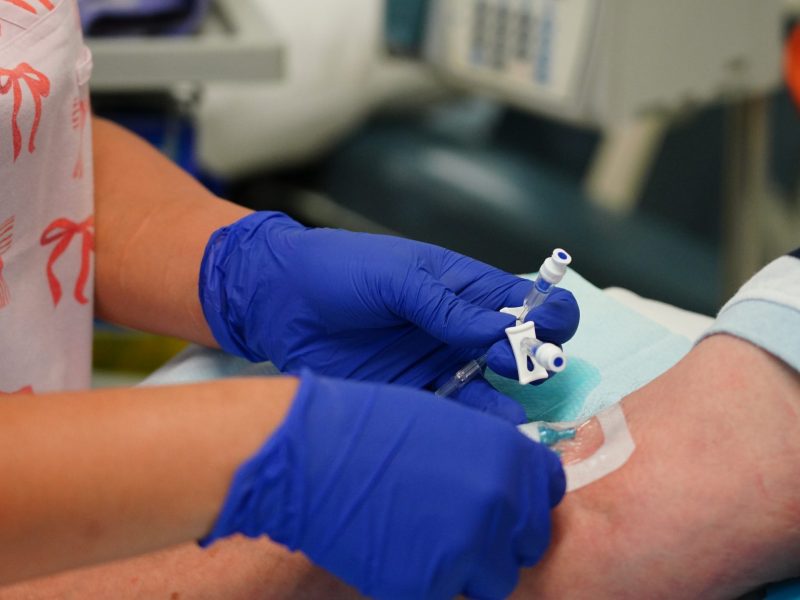

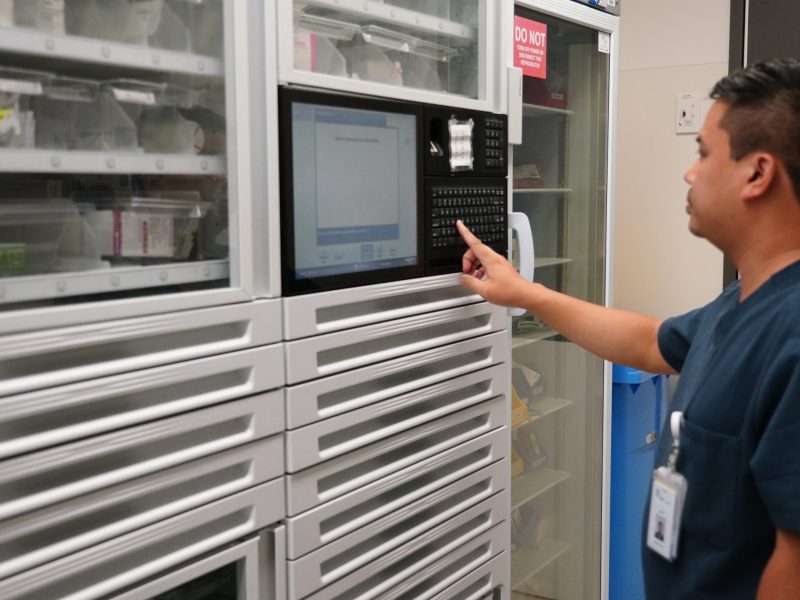
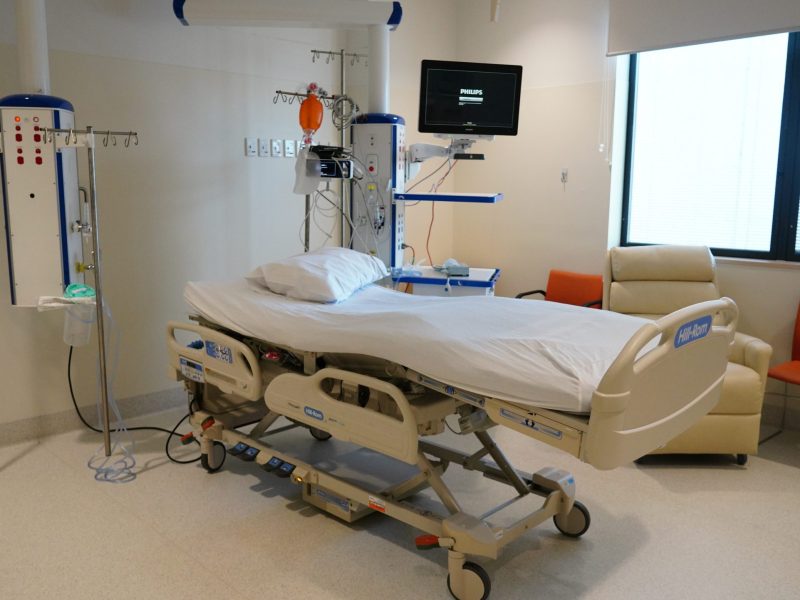
 CNSs in Critical Care bring advanced capability in assessing and managing high-acuity patients. They support staff in:
interpreting complex clinical data and responding to deterioration
using ventilators, invasive lines and advanced monitoring
overseeing high-risk interventions and resuscitation readiness
guiding junior staff through complex care planning
maintaining best-practice critical care standards
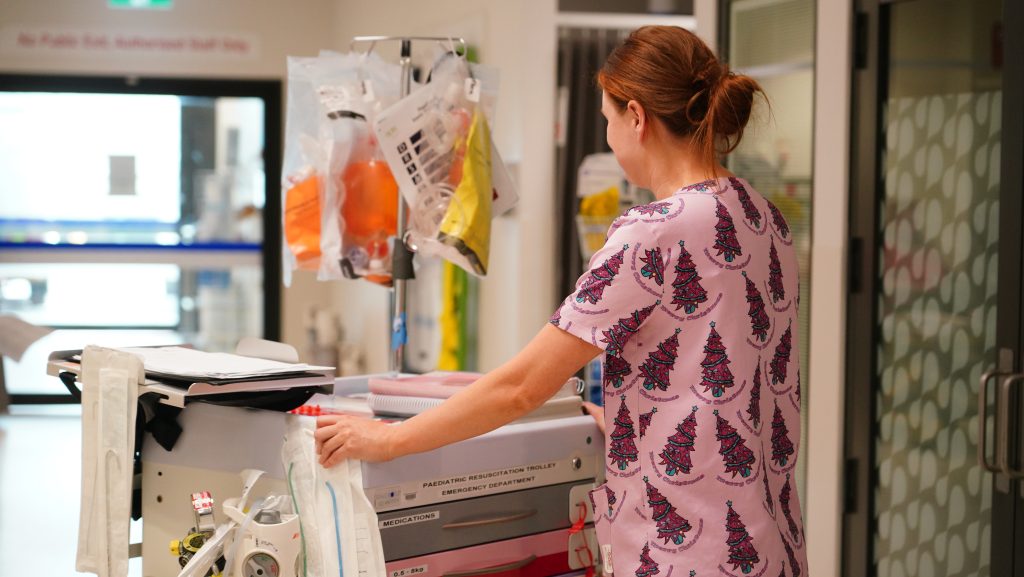 ED CNSs are key leaders in fast-paced, high-variation emergency care. They support:
rapid triage, prioritisation and escalation
trauma, cardiac and sepsis pathways
mental health crisis support and de-escalation
safe, consistent clinical decision-making under pressure
mentoring staff during acute or complex presentations
 Perioperative CNSs specialise across anaesthetics, scrub/scout and PACU. They play a central role in:
ensuring safe surgical workflows and sterile technique
troubleshooting equipment and procedural needs
supporting anaesthetic safety and airway management
guiding staff in recovery monitoring and postoperative care
reinforcing best practice across the surgical continuum
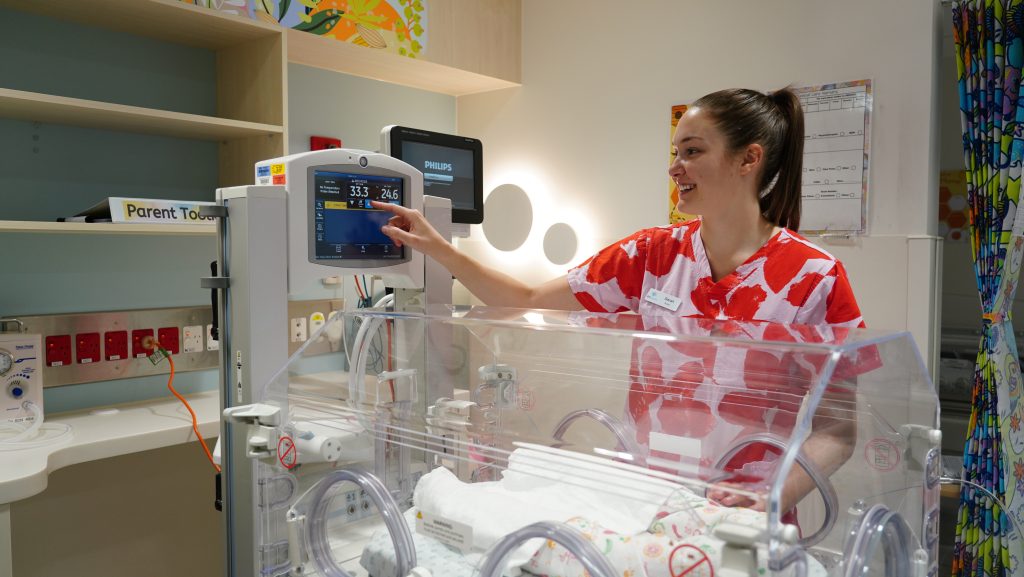 CMSs in Midwifery are recognised for expertise in pregnancy, labour, birth and postnatal care. They contribute through:
advanced assessment of mothers and babies
supporting safe birth practices and obstetric emergencies
guiding staff in family-centred, culturally safe care
supporting breastfeeding, perinatal mental health and early parenting
mentoring midwives, grads and students
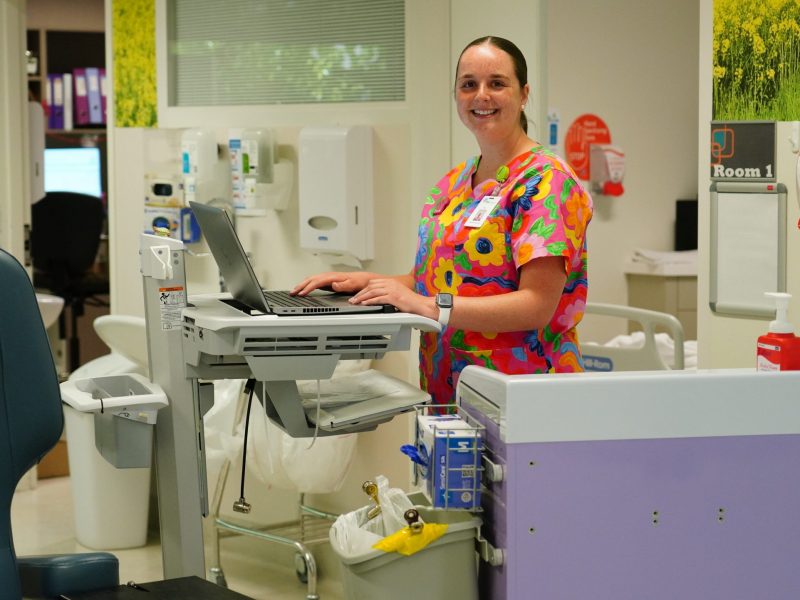
 CNSs in general medical or surgical units provide leadership in:
complex patient assessment and discharge planning
managing acute changes and escalation
postoperative recovery, wound care and pain management
supporting multidisciplinary communication
coaching junior staff in time-critical clinical skills
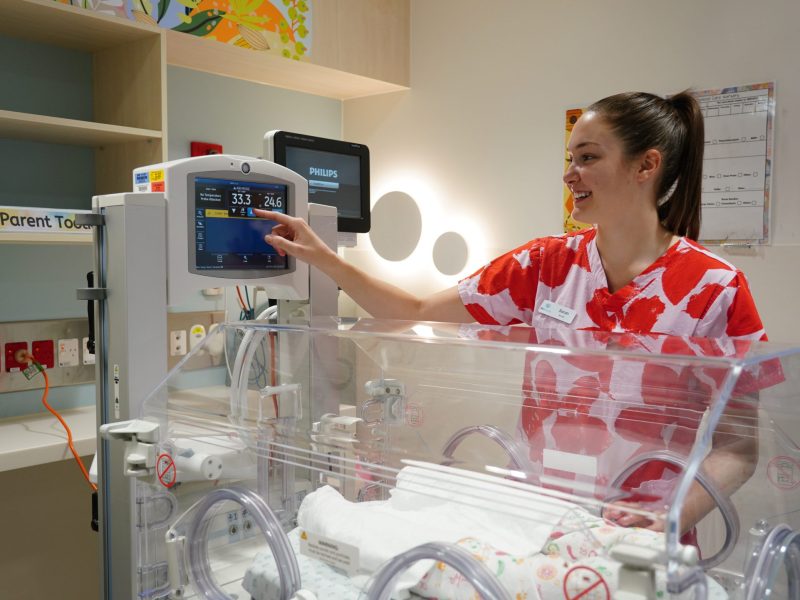
 Paediatric CNSs support safe, developmentally appropriate care for infants, children and young people. They support the team by:
guiding age-specific assessment and escalation
managing acute paediatric illness and injury
supporting families through complex or chronic conditions
promoting child-safe, trauma-informed practice
coaching staff in communication and reassurance techniques
 CNSs in Oncology bring deep specialist knowledge to support patients through cancer treatment. Their expertise includes:
chemotherapy and immunotherapy safety & administration
symptom management and side-effect education
coordinating complex treatment pathways
supporting holistic, person-centred care
guiding staff in safe handling and evidence-based oncology practice
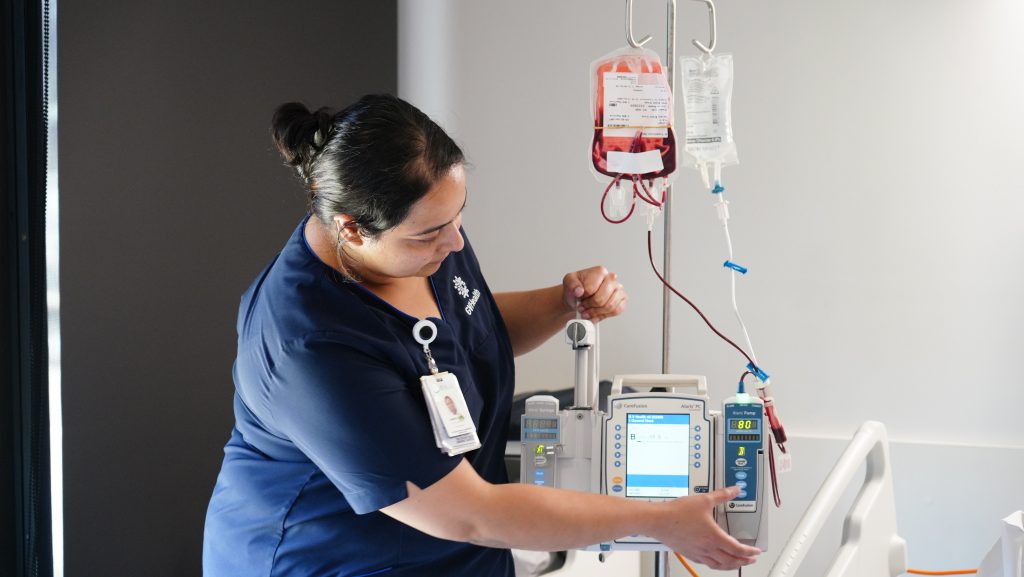 Renal CNSs are experts in dialysis care and chronic kidney disease management. They support the service through:
advanced troubleshooting of dialysis machines and access issues
monitoring fluid balance, electrolytes and complications
guiding staff through safe dialysis procedures
supporting patient education and long-term self-management
reinforcing renal safety protocols and infection prevention
Mental Health CNSs support safe, recovery-oriented care through:
advanced therapeutic communication and de-escalation
crisis support and risk assessment
trauma-informed care planning
family collaboration and psychosocial education
mentoring staff in safe mental health practices
 CNSs in community programs provide leadership in:
home-based nursing, chronic disease management and health coaching
supporting self-management and community engagement
identifying complex care needs and coordinating services
promoting culturally safe and accessible care pathways