




 Our postgraduate program prepares nurses to care for high-acuity patients requiring complex, life-sustaining interventions. Through a structured combination of advanced coursework and supported clinical practice, you will:
develop sophisticated patient assessment and rapid clinical decision-making skills
interpret and respond to complex cardiac, respiratory and neurological conditions
work confidently with ventilators, invasive monitoring, vasoactive infusions and advanced equipment
participate in emergency responses, code situations and escalation pathways
apply evidence-based frameworks in deterioration management and critical care best practice
collaborate with intensivists, allied health and specialty clinical teams
This program supports nurses seeking advanced clinical roles or pathway progression into Critical Care leadership, outreach teams or postgraduate ICU qualifications.
 The postgraduate program offers immersive exposure to high-pressure, high-variation clinical care. You will learn to:
conduct rapid triage, prioritisation and risk assessment
manage trauma, sepsis, stroke, cardiac events and crisis presentations
work within resuscitation bays, fast-track areas and paediatric emergency
apply specialist communication skills, including de-escalation and crisis support
use point-of-care diagnostics and emergency interventions
integrate evidence-based care models for acute, subacute and mental health presentations
Graduates develop strong clinical resilience and advanced emergency nursing capability, forming a solid foundation for future senior, educator or advanced practice pathways.
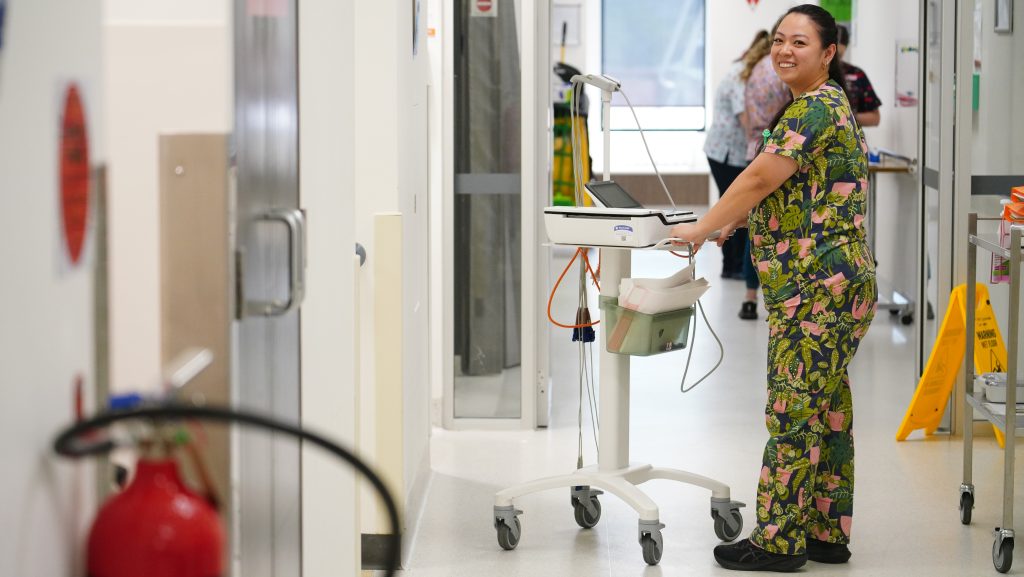 The Postgraduate Program supports nurses pursuing specialty practice across the entire surgical care continuum. Training covers:
• Anaesthetics – supporting safe induction, airway management and monitoring
• Scrub/Scout – surgical preparation, sterile field management and procedural assistance
• Post Anaesthesia Care Unit (PACU) – advanced recovery monitoring and postoperative nursing
You will:
master sterile technique, procedural workflows and perioperative risk management
collaborate closely with surgeons, anaesthetists and theatre technicians
participate in elective and emergency surgical lists across multiple specialties
strengthen your communication, advocacy and patient reassurance skills
This program is perfect for nurses who value precision, technical skill and coordinated team-based care.
 Postgraduate Midwifery training enhances your skills in providing safe, evidence-based care to women, birthing people and families. Nurses undertaking postgraduate midwifery will gain experience in:
antenatal screening, assessment and continuity of care
labour and birth support using best-practice, woman-centred care approaches
neonatal assessment, postnatal care and early parenting education
breastfeeding support and perinatal mental health screening
responding to obstetric emergencies and supporting safe care transitions
promoting culturally safe and family-centred practice
This program builds clinical confidence and prepares nurses for advanced midwifery practice and leadership roles.
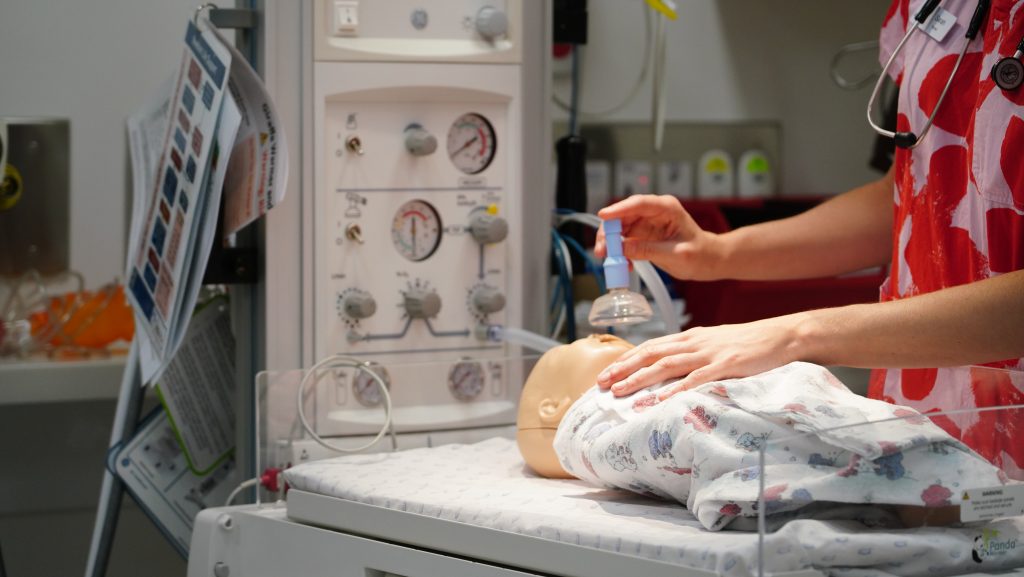 The postgraduate paediatric stream provides in-depth, specialised education in caring for infants, children and young people. You will learn to:
conduct age-specific assessments using paediatric early warning tools
manage medical, surgical and chronic paediatric conditions
support child development, emotional safety and family-centred care
respond to paediatric emergencies with confidence
work collaboratively with families, carers and multidisciplinary teams
apply trauma-informed and child-safe principles in all interactions
This specialty suits nurses passionate about holistic, compassionate and developmentally appropriate care.
 Postgraduate Oncology nursing builds the advanced skills required to support patients through all stages of their cancer journey. Nurses will:
administer systemic therapies including chemotherapy, immunotherapy and targeted treatments
manage complex symptoms and treatment side effects
provide psychosocial, emotional and educational support
engage in shared decision-making with patients and families
coordinate multidisciplinary care and case management
apply evidence-based oncology practice and safety protocols
Graduates often progress into cancer care coordination, research, advanced practice roles or oncology leadership.
 Postgraduate training develops expertise in the technical and clinical aspects of renal replacement therapy. You will:
deliver safe, effective haemodialysis in partnership with nephrology teams
monitor vascular access and respond to complications
manage fluid balance, electrolyte stability and chronic comorbidities
educate and support patients living with kidney disease
build strong therapeutic relationships with long-term renal patients
apply evidence-based renal nursing and infection prevention principles
This pathway suits nurses who enjoy precision, procedural consistency and meaningful long-term patient rapport.